English
Navigating the New York City transit network requires understanding the specific rules of the OMNY payment system. Commuters must learn how to move between subways and buses to maximize their travel efficiency and savings. This guide ensures every rider achieves a seamless journey through the five boroughs using modern digital payment methods. Moovit provides real-time data and precise arrival times to help passengers navigate these complex transfer points with ease. Understanding the technical logic of fare payments prevents unnecessary charges during your daily commute. The system relies on a digital handshake between your device and the transit readers. Moovit, part of Mobileye, is a leading Mobility as a Service (MaaS) solutions provider and creator of the #1 urban mobility app. This expertise helps millions of riders reach their destinations every day. Following these steps will simplify your New York travel experience significantly.
To transfer for free in New York, you will tap your contactless device at readers within two hours using OMNY. This process works between subways and local buses or between two different bus routes. You must use the exact same card or smartphone for every tap to trigger the automated discount. This digital handshake ensures you only pay the $3.00 base fare once for a continuous one-way trip. The system manages the following transfer types:
Start by identifying the best combination of subway lines and bus routes for your destination. Modern transit requires a clear understanding of where different systems intersect throughout the five boroughs. You should determine if your trip requires a local bus or a Select Bus Service vehicle before leaving. Each mode has different boarding procedures that affect your overall travel time. Planning ahead allows you to anticipate where physical transfers occur within major hubs:
The OMNY system requires you to use the exact same card or digital wallet for your entire journey. If you tap with a physical card first, you must use that same card for your transfer. Tapping with a smartphone after using a card will result in a second charge of $3.00. The system tracks your specific device ID to apply the free transfer logic automatically. This consistency is the most important factor in saving money while traveling. Supported OMNY payment methods include:
A universal 120-minute limit exists from the moment of your first tap to your final transfer tap. You must reach your second mode of transport and tap the reader before this window expires. If you exceed two hours, the system will charge you a full new fare of $3.00. This timeframe is usually sufficient for most commutes within Manhattan, Brooklyn, Queens, and the Bronx. Key timing factors include:
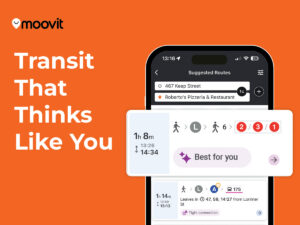
Moovit simplifies the transfer process by providing step-by-step directions that include precise walking times between platforms. The app identifies the most efficient exit at large stations to put you closer to your next connection. You can see exactly how many minutes remain until your next bus or train arrives in real time. Moovit acts as a digital companion for every stage of your New York journey. The app provides these specific utilities:
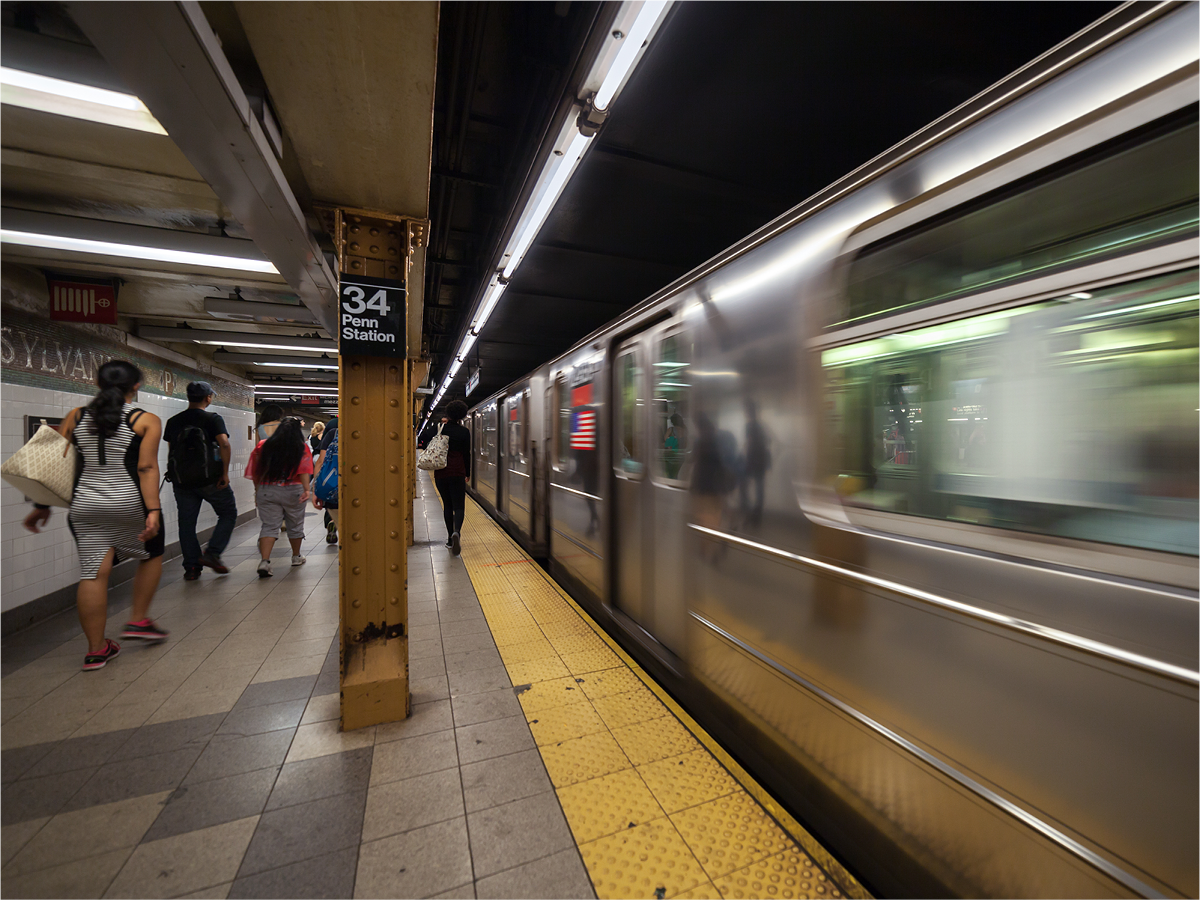
Most subway-to-subway transfers occur within the fare-paid zone of a station complex. You can walk between different lines without passing through a turnstile or tapping your card again. Always follow the overhead signs that indicate the direction of your connecting line. If you accidentally exit through a turnstile, you may have to wait for a specific out-of-system transfer location. Notable transfer structures include:
Select Bus Service (SBS) routes use a different boarding process than standard local buses. You must tap your OMNY device at the reader located near any door of the bus. There is no need to wait in line at the front door to pay the driver. This system speeds up the boarding process and keeps the buses moving quickly along busy corridors. The SBS boarding protocol includes:
A single trip on a New York subway or local bus costs exactly $3.00 today. You can pay this fare using a contactless card or the OMNY system. Moovit helps you track your expenses by providing clear route information for every journey. Express buses cost more at $7.25 per ride.
Yes, contactless payment is available at every subway station and on every bus in the city. The OMNY system accepts smartphones, smartwatches, and tap-to-pay credit cards. Moovit users can easily find stations equipped with these modern readers. The city plans to phase out legacy cards by 2026.
To reach the Statue of Liberty, you should take the 4 or 5 subway train to Bowling Green. You can also take the R train to Whitehall Street or the 1 train to South Ferry. Moovit provides the fastest walking paths from these stations to the ferry terminal. The ferry departs from Battery Park.
The fastest way to Newark Airport is taking a train from Pennsylvania Station in Midtown Manhattan. You can use NJ Transit or Amtrak to reach the Newark Liberty International Airport station. Moovit offers real-time schedules for these trains to ensure you arrive on time. An AirTrain connects the station to the terminals.
You can check if your bus is on time by using a live transit tracking application. Moovit provides real-time arrival data for subways and buses across all five boroughs. This helps you avoid long waits on the platform or at the bus stop. Live alerts will notify you of any sudden delays.
No, you do not need exact change if you use the OMNY contactless system on the bus. Most riders prefer tapping their phone or card for a faster boarding experience. Moovit can show you where to find OMNY retail locations if you prefer a physical card. Cash is only accepted in coin form on buses.
Yes, the Roosevelt Island Tram accepts OMNY for a seamless transfer from the subway. You must tap the same device you used for your previous ride within two hours. Moovit includes the tram in its route planning for trips to Roosevelt Island. This provides a scenic and efficient way to travel.
Yes, the system automatically caps your weekly spending at $35.00 after twelve paid trips. You must use the same OMNY device for every journey to qualify for this benefit. Any additional rides during the same week will be free of charge. This encourages frequent use of the public transportation network.