English
New York City offers a vast and complex transit network for residents and visitors. Navigating the five boroughs requires an understanding of subways, buses, and ferries. This guide helps you master the system to reach your destination efficiently. Moovit provides real-time data for over 3,500 cities to simplify these urban journeys. You will learn how to pay fares and choose the best routes. Travelers can confidently explore Manhattan, Brooklyn, Queens, the Bronx, and Staten Island. Understanding the transition to contactless payment is the first step toward success. The MTA operates the primary infrastructure that keeps the city moving. This article provides the essential tools for a seamless travel experience. You can save time and money by following these proven transit strategies. Use this manual to become a confident straphanger in the world’s most iconic city.
To get around New York by public transit, you will use the subway and bus network using OMNY contactless payment. This system runs 24/7 across all five boroughs with a weekly fare cap of $34. You must tap your phone or card at the turnstile to enter. Choose express trains for long distances and local trains for specific street stops. Utilize the NYC Ferry for scenic routes along the East River. Moovit provides the live updates necessary to navigate these various transit modes effectively and reliably.
The Metropolitan Transportation Authority (MTA) manages the primary transit layers of the city. Mastering the network involves coordinating between underground rail, surface buses, and water-based transit options. The following steps outline how to utilize each component of the New York City infrastructure efficiently.
The OMNY system allows riders to pay for fares using a contactless credit card or a digital wallet. The OMNY technology has replaced the old MetroCard system to provide a faster experience at the turnstiles. You do not need to purchase a physical card before entering the station. Simply tap your device or card on the reader located at every subway entrance and bus door.
The standard fare for a single trip is between $2.90 and $3.00 in 2026. One major benefit of OMNY is the automatic weekly fare cap. After you pay for 12 rides in a week, all subsequent rides are free. This feature ensures you never spend more than $34 during a seven-day period. It is the most cost-effective way to travel throughout the city.
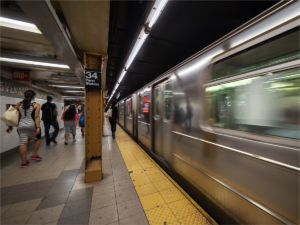
The NYC subway is the backbone of the city with 472 stations operating 24 hours a day. You must understand the difference between local and express trains. Express trains skip smaller stations to move passengers quickly between major hubs. Local trains stop at every station along the designated line. Trains are identified by letters or numbers rather than just colors.
For example, the A, C, and E trains are all blue but follow different paths. Always check if your train is headed Uptown toward the Bronx or Downtown toward Brooklyn. This directional logic is essential for navigating the five boroughs. Always look at the signs on the platform to confirm the destination of the incoming train. Subway maps are available at every station to help you visualize the route.
Buses offer a reliable way to travel across town where subway lines do not reach. You can use the Select Bus Service for faster travel on major corridors. These buses require you to tap your OMNY device before boarding at the side doors. Standard buses allow you to board at the front and pay the fare. Buses are a great way to see the city streets.
Between 10 PM and 5 AM, you can use the Request-a-Stop service. This service allows the driver to let you off at a specific location that is not a regular stop. It enhances safety for passengers traveling late at night. Buses also provide an accessible option for those who prefer not to use subway stairs. Every bus in the fleet is equipped with ramps for mobility devices.
The NYC Ferry system connects the waterfront communities of Manhattan, Brooklyn, Queens, and the Bronx. These boats offer a scenic alternative to underground travel for a similar price. You can purchase tickets through a dedicated app or at vending machines located at the landings. The Staten Island Ferry is a separate service that remains free for all passengers. It provides a direct link between Lower Manhattan and Staten Island.
Ferry travel is ideal for visiting attractions like Governors Island or the Brooklyn Navy Yard. The boats feature outdoor decks that provide excellent views of the city skyline. While slower than the subway, ferries offer a more relaxed environment for commuters. They are particularly popular during the summer months for trips to the Rockaways. Always check the seasonal schedule as ferry frequency can change with the weather.
The Roosevelt Island Tramway provides a unique aerial view of Midtown Manhattan and the East River. You can use your OMNY device to pay for this ride just like the subway. The tram connects 59th Street and Second Avenue to Roosevelt Island. It is a vital link for residents and a popular choice for visitors. The cabins arrive every seven to fifteen minutes depending on the time of day.
The Roosevelt Island Tramway journey takes approximately four minutes to complete. It is one of the few aerial tramways in North America that serves as a mass transit line. Once on the island, you can explore the Franklin D. Roosevelt Four Freedoms State Park. The tram offers a perspective of the city that you cannot get from a bus or train. It is a functional and beautiful part of the MTA network.
Connecting from the airports to the city center is straightforward with public transit. From JFK Airport, you should take the AirTrain to connect with the subway or the LIRR. The AirTrain requires a separate fee that you can pay with OMNY. For LaGuardia Airport, the Q70 LaGuardia Link bus provides a fare-free connection to major subway hubs. This service is designed specifically for travelers with luggage.
Newark Liberty International Airport is accessible via NJ Transit trains from New York Penn Station. These trains are fast and run frequently throughout the day. Avoid taking expensive taxis when these efficient rail and bus links are available. Public transit from the airports helps you avoid the heavy traffic common on New York highways. Always allow extra time when traveling to the airport during peak rush hours.
Following the unwritten rules of the subway makes the journey better for everyone. Always let passengers exit the train before you attempt to board the car. Stand to the side of the doors to create a clear path for others. Once inside, move toward the center of the car to make room for more people. Avoid leaning against the poles so others can hold onto them for safety.
If a subway car is empty on a crowded train, there is usually a reason. It is often best to choose a different car for a more comfortable ride. Keep your belongings on your lap rather than on the seat next to you. Staying behind the yellow line on the platform is critical for your safety. These small actions help maintain order in a system that carries millions of people daily.
Moovit, part of Mobileye, is a leading Mobility as a Service (MaaS) solutions provider and creator of the #1 urban mobility app. The app simplifies the complexity of the New York transit system by providing real-time arrival information. You can see exactly when the next bus or train will arrive at your station. This helps you avoid long waits on the platform during late nights or weekends. Moovit also offers service alerts regarding delays or construction.
The Moovit app suggests the most efficient multimodal routes based on current conditions. It combines data from the MTA, NYC Ferry, and regional rail lines like Metro-North. This integrated approach ensures that you always have the most accurate travel plan. Using Moovit reduces the stress of navigating an unfamiliar city. It serves as a digital companion that guides you through every step of your journey across the five boroughs.
The MTA frequently performs maintenance on the subway system during weekends and late-night hours. This often results in trains being rerouted or replaced by shuttle buses. You should always check for service advisories before starting your trip on a Saturday or Sunday. Signs are usually posted at station entrances to inform riders of these changes. Some express trains may run local during these maintenance windows.
Planning ahead prevents unexpected delays in your schedule. The transit system never truly closes, but its configuration can change significantly. Using a digital planner is the best way to stay informed about these temporary adjustments. If a line is closed, there is always an alternative route or a bus nearby. Flexibility is key to a successful weekend outing in New York City.
You should take the 4 or 5 subway trains to the Bowling Green station. This station is located directly next to Battery Park where the ferries depart. You can also use the R or W trains to reach the nearby Whitehall Street station. Moovit helps you find the most efficient route based on your current location. The app provides step-by-step directions to the security screening area for the ferry.
The fastest way is usually taking an NJ Transit train from New York Penn Station. These trains reach the Newark Liberty International Airport station in approximately 25 minutes. From there, you will transfer to the AirTrain to reach your specific terminal. Moovit tracks the departure schedules for all NJ Transit lines in real time. You can also take the Newark Airport Express bus from the Port Authority Bus Terminal.
A single ride on the subway or bus costs $2.90 in 2026. You do not need to buy a ticket if you use the OMNY contactless system. Simply tap your credit card or phone at the reader to pay. Moovit can help you track your trips to ensure you reach the weekly fare cap. The system automatically stops charging you after 12 rides in a single week.
Yes, contactless payment is available on all MTA subways and buses through the OMNY system. You can use any major contactless credit or debit card for entry. Digital wallets like Apple Pay and Google Pay are also fully supported at all turnstiles. This eliminates the need to stand in line at a vending machine. It makes the transition between different modes of transport much smoother for every traveler.
You can track your bus or train using the Moovit app for live arrival updates. The app uses real-time GPS data from the MTA to provide accurate countdowns. Most subway stations also feature digital screens that display the arrival times for the next several trains. Buses have similar tracking capabilities that you can access through your smartphone. This information allows you to time your departure from home or work perfectly.
Free transfers are available between subways and buses within two hours of your first tap. If you use OMNY, the system automatically calculates the transfer and does not charge you again. You can also transfer between different subway lines within the same station without exiting the turnstiles. Moovit provides clear instructions on where to walk within large stations to find your connecting line. This ensures you do not accidentally exit the system and pay a second fare.
Ferries to the Statue of Liberty typically operate between 9 AM and 5 PM daily. The subway lines serving the ferry terminal run 24 hours a day for your convenience. You should arrive at Battery Park early to clear security before your scheduled ferry departure. Moovit can provide the exact subway schedule to ensure you arrive at the park on time. Always check the official ferry website for any seasonal changes to the last departure time.